
Getting on to the NDIS, and going through reviews or making requests, has often meant focusing on what your disability stops you from doing. Sure, that can help show what
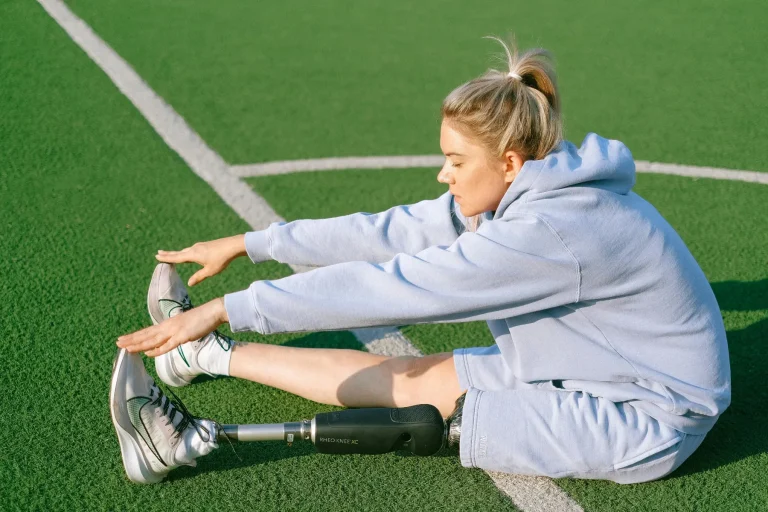
Why Sport Matters: Building Confidence, Community and Capability
November 26, 2025
For people living with disability, sport isn’t just about fitness – it’s a pathway to confidence, connection, and capability.
However, no one starts out as an expert! Learning is part of the fun, and taking part is always more important than being the best at something.

How Sport Builds Confidence
Confidence in sport isn’t about scoring the most points. It’s about believing in yourself, having a willingness to try new things, and feeling part of something bigger.
Sport gives people living with disability a way to safely take risks, where progress can happen at their own pace. You can try new things in a supportive environment. If your technique takes some time to finesse, that’s normal – and you should definitely celebrate any small wins along the way!
Even Paralympic athletes have had to overcome uncertainty sometimes. As T36 Para-athlete Mali Lovell put it, “I didn’t feel like I wanted to be different from the other able-bodied people – and then I realised how inclusive Para-sport is.”
Confidence can also lead to connection – as you grow more sure of yourself, you may feel more comfortable reaching out and connecting with others as well.
How Sport Builds Community
Living with a disability can feel isolating at times. Sport gives you an easy way to make connections in your community; through teammates, club culture, and shared goals. You already have something in common!
The biggest benefits of sport go far beyond the physical, though that’s an important benefit too. Athletes with a sense of community have better average mental health ratings, and are more likely to have positive educational outcomes.
Team sport certainly helps with this – but non-team sports can help you build friendships and connections too. You might have a coach, a mate you train with, or a group that does the sports activity together (like a swim club or run club) for a more social experience.
How Sport Builds Capability
Sport helps you build physical capacity and mental / emotional capability, which can help you live a happier, more independent life in the long run.
Building strength and stamina
While sport can have wide benefits for your wellbeing, there’s no denying the positive physical effects of moving your body.
With regular physical activity, you’ll likely find:
- You sleep better
- You have better muscle strength and/or balance
- Your stamina is improving
Note: It’s important to make sure the activity you do is suitable and safe with your current ability. You can ask your doctor or allied health professional (such as a physiotherapist) whether certain physical activities are ok, and if they have any tips on making sport safer for you.
Bouncing back from the unexpected
A less obvious benefit is the resilience sport can teach you. No team goes unbeaten forever, and the ability to recover and keep going is a valuable tool for life.
This is known as having a ‘growth mindset’. For our purposes, this means:
- Treating failures as learning opportunities, rather than obstacles. Failing isn’t the end of the road; it’s a normal part of life, where your next step is always more important than a stumble you took along the way. You can always try again!
- Embracing challenges so you can grow your skills. Sport is perfect for this, because you can often scale up effort or technique over time to keep things interesting.
- Finding inspiration in the success of others. Using those who succeed as role models is a great way to motivate yourself. Just be careful not to use comparison to put yourself down! Instead of “I’m not as good as them”, think “What can I do to be more like them?”
Will the NDIS Pay for Sport Expenses?
The NDIA will not fund ordinary costs that everyone must pay regardless of ability like uniforms, club fees, or general sports equipment. Any supports from your NDIS plan must be directly related to your disability needs.
If you want to use NDIS supports to help with sports participation, you’ll need to have corresponding goals in your plan around increasing your skills, building capacity, and community participation.
For example, you could use approved NDIS funding to work with an exercise physiologist to manage your disability, and to prevent and treat injury so you can participate in sport. You could not use this budget to pay for extra training sessions with your coach.
If you’re unsure whether you have sport-related supports available, talk to your Plan Manager. They can help you understand what’s currently funded in your NDIS plan.
Related:
6 Steps to Get Started in Sport
If you would like to get started but you’re not sure where to begin, here’s some things you will want to cover:
- Set your goals. What do you want to achieve, and what does success look like for you?
- Explore your options by trying different sports and activities.
- Connect with a club, buddy, coach or mentor to help you establish yourself.
- Identify supports you need to participate – like adaptive equipment or transport to and from activities.
- Align any supports with your NDIS plan, goals and funding.
- Review as you go – every few months, reflect on what’s changed (skills, friendships, your wellbeing), and set new goals!
Related: 5 Fitness Tips for Exercising with a Disability
Do I have to commit to something right away?
Not at all! You can try as many different sports as you like. It’s all about finding what works for you. Even top athletes will try a few things before they find the sport they love. As Boccia Para-athlete Jamieson Leeson said, “You don’t know what something’s going to do for you until you give it a shot.”
Many sports organisations even have come-and-try days for athletes of all levels. If you don’t see these events advertised anywhere, you can always ask directly to do a trial session and see if it’s right for you.
Related: Just Do Your Best: Paralympians on overcoming challenges
Do I have to play an organised sport?
What’s important is to get moving and have fun, which doesn’t have to include a formally recognised ‘sport’ at all. This might look like:
- Dance breaks with your family
- Walks around the neighbourhood
- Playing games like ‘Simon Says’
- Playing catch or other ball games with friends
How do I know what sports are available near me?
If you do want to look up more organised adaptive sports available in your area – try looking up national organisations like Disability Sports Australia, the Australian Sporting Alliance for People with a Disability, or if you’re more curious about Para-sport specifically you can find information through Paralympics Australia’s The Start Line program.
You might also be able to join programs run by local sporting organisations or disability support groups, so keep an eye on community notices or community pages online.
Helping Aussie Athletes Get Inspired
As part of our partnership with Paralympics Australia, NDSP is shining a spotlight on ways Australians living with disability can use sport to get moving, connect with people, and live their best lives.
Sport isn’t just about physical activity. It’s a powerful tool to build confidence, connect community and develop capability. No matter what level of sport you’re doing (social, recreational, competitive), every step counts.
Related Posts
More news

Recent posts
What Makes NDSP One of Australia’s Most Trusted Plan Managers?
January 21, 2026
What Disabilities Qualify for the NDIS?
January 20, 2026
Does the NDIS Cover Psychology for Autism?
January 19, 2026
How much does it cost to become an NDIS provider?
December 22, 2025
How to Apply for NDIS Funding
December 18, 2025
About us
NDSP is a NDIS registered provider, specialising in Plan Management. We are here to manage your NDIS funds on your behalf. Our experienced staff are highly skilled and ready to help you!