
Discover the top 4 dating apps built for people living with disability for a safer, more inclusive and accessible online dating experience.
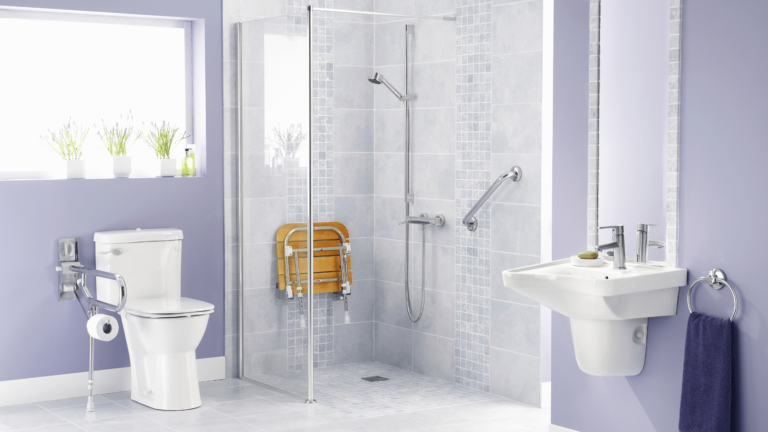
How Can Participants Modify their Homes through the NDIS Home Modification Process?
May 10, 2023
The National Disability Insurance Scheme (NDIS) provides support to people with disability to improve their quality of life. One aspect of this support is the provision of home modifications. These modifications aim to enable people with disability to increase their independence and live safely in their homes. The NDIS Home Modification Process allows participants to modify their homes to meet their specific needs, ensuring they have access to all areas of their homes and can perform daily activities. Here is a better understanding of the NDIS Home Modification Process on how participants can modify their homes to suit their needs.
The Approval Process for Home Modifications
Whether you are looking for the simplest adaptation or a Complex Home Modification (CHM), the NDIS must carry out assessments and have enough evidence to determine whether the modifications are reasonable and necessary within the NDIS Home Modifications regulations. These are the steps the process takes:
Assessment
The assessment is a crucial part of the NDIS Home Modification Process. It involves a qualified professional, such as an occupational therapist, visiting the participant’s home to identify the modifications needed to improve accessibility and safety. The assessment will consider the participant’s disability and their specific needs. The assessor will typically look at entrances, exits, pathways, bathroom and kitchen facilities, and general living spaces. They may also ask questions to better understand the participant’s daily activities and routines. The assessment helps form the basis for the modification plan.
Plan Development and Approval
Based on the assessment, the NDIA may approve for the development a plan that outlines the specific modifications required, the cost, and who is approved to carry out the work. The plan’s design must meet the participant’s individual needs. These may include modifications such as installing grab rails, ramps, widening doorways, and other changes to improve accessibility and safety. The plan will also specify the work’s timeline and who will oversee modifications.
Afterwards, the NDIS must approve the plan for the home modifications and include the budget in your NDIS Plan. During plan approval, you must have enough evidence and research to explain why you need the home modification.
Funding
Participants will need to apply for NDIS funding to cover the cost of modifications. The amount of funding provided will depend on the participant’s specific needs, as determined by the assessment. The funding may cover the entire cost of modifications, or a portion of it, depending on the participant’s circumstances. The NDIS may also provide funding for ongoing maintenance and repairs.
Implementation
After the funding approval, a qualified professional can carry out the modifications. The modifications may include the installation of grab rails, and ramps, widening of doorways, bathroom modifications, and other changes to improve accessibility and safety. The modifications are usually implemented according to the plan developed during the planning phase.
Review
After completing the modifications, the NDIS will conduct a review to ensure the implementation is correct and meets the participant’s needs. The same or different professional conducting the assessment can conduct the review. You can repeat the process if you need additional modifications, starting with a new assessment. The review process helps meet the participant’s needs, and the modifications work as intended.
The NDIS Home Modification Guidelines
The NDIS has guidelines to ensure that the home modifications funded through the scheme are appropriate and effective for the individual participant. The guidelines include the following:
- Participant-centred approach: The modifications should be centred to meet the individual needs of the participant, taking into account their disability, lifestyle, and support needs
- Safety: The modifications should ensure the participant’s safety, including reducing the risk of falls and accidents
- Accessibility: The modifications should aim to improve accessibility and mobility for the participant, allowing them to move around their home more easily and safely
- Cost-effectiveness: The modifications should be cost-effective, considering the participant’s budget and the long-term maintenance and repair costs
- Quality standards: The modifications should meet relevant quality and safety standards, such as those outlined by the Building Code of Australia
- Compliance with building regulations: Regardless of the modifications, it should comply with relevant building regulations, including local and state government regulations
- Informed consent: The participant should consent to the modifications, including understanding the costs, benefits, and potential risks.
- Continuity of care: The modifications should be part of a broader plan for the participant’s care and support, including ongoing maintenance and support services
Types Of NDIS Home Modifications
The NDIS provides funding for various home modifications to improve accessibility and safety for participants with disabilities. There are three types of NDIS home modifications, which are classified based on their complexity and cost:
- Minor modifications: Minor modifications are simple, low-cost, and easy to complete. Examples of minor modifications include the installation of handrails or grab bars, non-slip flooring, and lever-style door handles. These modifications are typically under $1,500 and do not require a formal quote however they may still require recommendation by a suitable professional (usually an Occupational Therapist (OT)
- Complex modifications: Complex modifications are more extensive modifications that require a higher level of design and construction work. Examples of complex modifications include installation of ramps, widening of doorways, and bathroom modifications. These modifications are typically over $1,500 and do require a formal quote and assessment.
- Adaptations: Adaptations are mostly minor modifications that don’t involve significant structural changes to the home. Examples of adaptations include the installation of shower curtains, storage, and cupboard inserts, and grab rails. These modifications are usually low-costed.
The NDIS Home Modification Process offers a range of options for participants to modify their homes according to their support needs. Whether installing grab rails and ramps or modifying bathrooms, home modifications can improve the quality of life for disabled people with disability. By working with an experienced occupational therapist and a qualified builder, participants can ensure their homes are safe, accessible, and comfortable. The NDIS Home Modification Process is a great way to empower people with disability to live more independently.
Related Posts
More news


Recent posts
I-CAN: The new NDIS assessment that focuses on what you can do
October 29, 2025
8 Tips to Make Your NDIS Evidence More Effective
October 29, 2025
Global Developmental Delay (GDD) and the NDIS Explained
October 23, 2025
NDIS Support Worker Pay Rates in 2025
October 22, 2025
About us
NDSP is a NDIS registered provider, specialising in Plan Management. We are here to manage your NDIS funds on your behalf. Our experienced staff are highly skilled and ready to help you!